








An honest look at what really shapes a home battery’s payback period, and why Nano Pro-tech always starts with your home, not a headline figure.
If you’re thinking about a home battery, one question probably matters more than any other: will it pay for itself, and how long will that take? It’s a fair question. A battery is a significant investment, and you deserve a straight answer rather than a sales pitch.
The honest answer is that there’s no single figure that applies to every home. The home battery payback period depends on how you use energy, the tariff you’re on, whether you have solar panels, the battery you choose and how well it’s installed and set up. Two neighbouring houses with identical batteries can see very different results.
This guide walks through each factor in plain terms, so you can understand what drives a battery’s value and ask the right questions before you commit.
In This Guide We Answer:
- What does payback period mean for a home battery?
- How does a battery save money day to day?
- Does a battery pay for itself faster when paired with solar panels?
- How do time-of-use and export tariffs affect a battery’s value?
- Why does the price of a battery system vary so much from home to home?
- How do household size, routine and energy use change the payback?
- How does battery capacity affect value, and can a battery be too big or too small?
- Should warranties and expected lifespan be part of the value calculation?
- What are the risks of an oversized or poorly configured battery, and how can choosing the right installer avoid them?
- What is the most reliable way to get an accurate idea of the cost and value for your own home?
1. What does payback period mean for a home battery?
The payback period is the time it takes for the money a battery saves you, and in some cases earns you, to add up to what you paid for it. Once you pass that point, the savings are effectively yours to keep for the rest of the battery’s working life.
Why it’s a useful measure
Payback gives you a simple way to compare an upfront investment against long-term benefit. It helps you judge whether a battery makes financial sense for your home and how it stacks up against other home improvements.
Why it’s only part of the picture
Payback is an estimate, not a guarantee. It depends on things that change over time, including:
- Energy prices, which rise and fall
- Tariff structures and what suppliers pay for exported electricity
- Changes in your household, such as working from home or buying an electric vehicle
Many homeowners also value benefits that don’t show up neatly in a payback sum, such as using more of their own solar energy, relying less on the grid and, with the right setup, keeping essential power on during an outage.
| Nano Tip | When comparing quotes, ask each installer what assumptions their payback estimate is based on, such as energy prices and tariff. An estimate is only as good as the numbers behind it. |
2. How does a battery save money day to day?
A home battery stores electricity so you can use it later, when it’s more valuable to you. The savings come from reducing how much electricity you buy from the grid at expensive times.
The two main ways a battery saves
- Storing surplus solar: Instead of exporting spare solar power during the day, your battery keeps it for the evening, when your panels aren’t producing and your demand is often highest.
- Charging on cheaper electricity: On a suitable tariff, your battery can charge from the grid when rates are low, often overnight, and power your home when rates are higher.
What this looks like in practice
On a typical day, a well-set-up battery might fill from solar or cheap overnight electricity, then cover your evening cooking, lighting, TV and laundry. Every unit it supplies is a unit you didn’t buy at a higher price.
Your savings depend on the gap between the price you pay to charge the battery and the price you would otherwise pay for that electricity. The wider that gap, the more each cycle is worth.
| Nano Tip | Look at a few recent energy bills or your supplier’s app to see when your usage peaks. If most of it falls in the evening, that’s a good sign a battery could work hard for you. |
3. Does a battery pay for itself faster when paired with solar panels?
In many homes, yes. Solar panels and a battery work together: the panels generate free electricity, and the battery makes sure more of it gets used in your home rather than sent to the grid.
Why solar and batteries suit each other
Solar panels produce most of their power in the middle of the day, which is often when households use the least. Without a battery, much of that surplus is exported. With a battery, it can be stored and used later.
Things that affect how well they pair
- Solar system size: A larger array produces more surplus to store, especially in spring and summer.
- Seasonal variation: In winter, solar output drops, so a battery may rely more on cheap-rate grid charging.
- Installation together or separately: Fitting both at once can simplify the system and installation. Adding a battery to existing solar is also very common and can work well with the right equipment.
A battery without solar can still make sense, particularly on a time-of-use tariff, but the combination usually gives the battery more opportunities to save.

| Nano Tip | If you already have solar panels, find your inverter’s make and model before getting a quote. It helps your installer work out the best way to connect a battery to your existing setup. |
4. How do time-of-use and export tariffs affect a battery’s value?
Your tariff can make a big difference to a battery’s payback. The right tariff can turn a good battery into a great investment, whilst the wrong one can leave its potential unused.
Time-of-use tariffs
These tariffs charge different rates at different times of day. A battery can charge when electricity is cheapest and discharge when it’s most expensive. This is often one of the most powerful ways to improve value, with or without solar.
Export tariffs
Under the Smart Export Guarantee, suppliers pay you for electricity you send to the grid. Rates vary between suppliers and tariffs. Some homes benefit from exporting stored energy at times when export rates are higher.
Getting the balance right
Whether it’s better to use stored energy yourself or export it depends on the rates you pay and receive. This is why a battery’s settings matter as much as the hardware.
- Tariffs change regularly, so what’s best today may not be best next year
- Some tariffs are designed specifically for battery or EV owners
- Smart batteries can be set to follow your tariff automatically
| Nano Tip | Review your tariff at least once a year after your battery is installed. A quick check could reveal a better option that suits how your battery now works. |
5. Why does the price of a battery system vary so much from home to home?
Battery prices change all the time, and they depend heavily on the individual home. That’s why any figure you see online is unlikely to reflect what you’d actually pay. The best way to get an accurate price is a proper quote, which also makes sure the system is the right size and specification for your home.
What affects the price
- Battery brand and model: Different manufacturers offer different features, capacities and warranties.
- Capacity: How much energy the battery can store.
- Inverter requirements: Some setups need a new or additional inverter; others can work with what you have.
- Existing solar: Adding a battery to an existing system can involve different work from installing everything together.
- Installation complexity: Where the battery goes, cable runs, and the condition of your consumer unit all play a part.
- Backup power: Systems designed to keep power on during a grid outage may need extra equipment.
Why matching matters more than a low headline figure
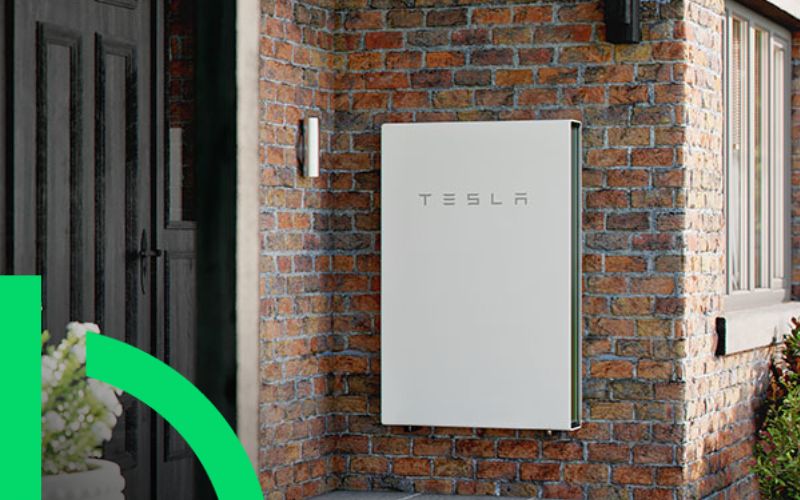
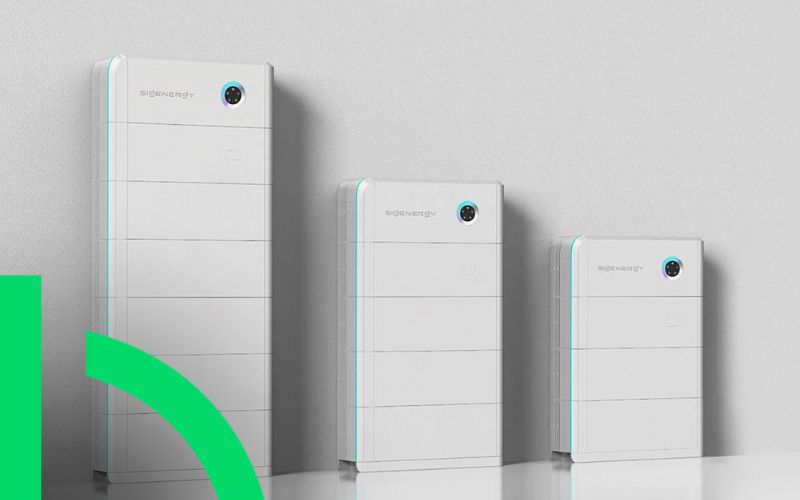
Nano Pro-tech is one of only a few Premium Tesla Powerwall Installers in the UK, and also installs other leading brands, including Sigenergy. That range means the recommendation can be based on your property, budget and energy use, rather than fitting every home with the same product.

| Nano Tip | When comparing quotes, check that each one includes the same things, such as backup capability, monitoring and any electrical upgrades. A lower figure sometimes leaves out work you’ll need anyway. |
6. How do household size, routine and energy use change the payback?
How your household lives has a direct impact on how much a battery can save. The same battery can deliver very different value in two different homes.
Factors that tend to improve value
- High evening usage: Families who cook, wash and relax in the evening often use a lot of stored energy.
- Electric vehicles: Charging a car can increase demand and widen the benefit of cheap-rate charging.
- Heat pumps and electric heating: These can raise overall electricity use, creating more opportunities for a battery to help.
- Working from home: This can change when you use energy, sometimes in ways that suit solar and battery together.
Factors that may limit value
- Very low overall electricity use
- Most usage happening during sunny daytime hours, when solar can cover it directly
- Long periods away from home
Planning for the future
Think about how your energy use might change over the next few years. A planned EV, a heat pump or a growing family can all shift what makes sense today.
| Nano Tip | Tell your installer about any changes you’re planning, even if they’re a few years away. It can affect which battery and inverter will serve you best long term. |
7. How does battery capacity affect value, and can a battery be too big or too small?
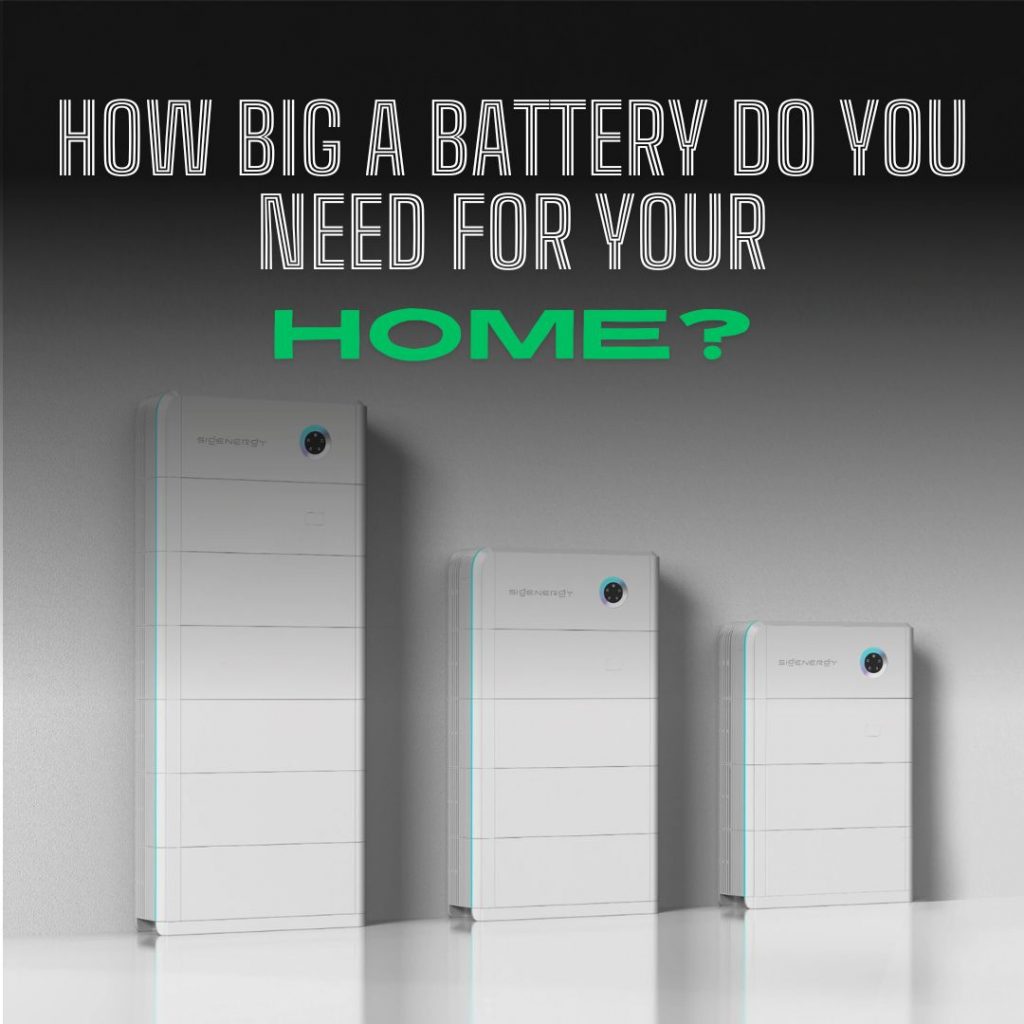
Capacity is how much energy a battery can store. Bigger isn’t automatically better. The aim is a battery that’s sized to how your home actually uses energy.
When a battery is too small
A battery that’s too small may run out early in the evening, leaving you buying grid electricity at peak rates. It may also fill up quickly on sunny days, so surplus solar gets exported rather than stored.
When a battery is too big
An oversized battery may rarely fill or empty fully. You pay for capacity you don’t use, which can stretch the payback period without adding much benefit.
Other things to consider
- Power output: How much electricity the battery can deliver at once, which matters if you run several appliances together.
- Expandability: Some systems can be extended later, which can suit households expecting their usage to grow.
- Usable capacity: Check how much of the stated capacity you can actually use.
| Nano Tip | Ask whether a battery can be expanded later. If you’re unsure about future needs, a system that can grow with you may be a smarter starting point than buying extra capacity now. |
8. Should warranties and expected lifespan be part of the value calculation?
Yes. A battery’s value isn’t just about how quickly it pays back, but how long it keeps saving afterwards. Warranties and lifespan give you a sense of that.
What to look for in a warranty
- Length: How many years the product warranty covers.
- Capacity retention: Many warranties guarantee the battery will keep a certain percentage of its capacity over a set period.
- Throughput or cycle limits: Some warranties are limited by how much energy passes through the battery.
- Workmanship cover: Separate from the manufacturer’s warranty, this covers the installation itself.
Gradual capacity loss
Like the battery in a phone, home batteries slowly lose some capacity over time. A good warranty tells you what to expect and protects you if performance drops further than it should.
Why the installer matters
Some manufacturer warranties depend on the battery being fitted by an accredited or certified installer. Installing through the right route helps keep your cover valid.
| Nano Tip | Read the warranty conditions, not just the headline length. Look for anything you need to do to keep it valid, such as registering the product or keeping it connected to the internet. |
9. What are the risks of an oversized or poorly configured battery, and how can choosing the right installer avoid them?
A battery that’s the wrong size or set up badly can quietly cost you money for years. The good news is that most of these problems can be avoided with careful assessment and setup.
Common problems
- Paying for unused capacity: An oversized battery lengthens payback with little extra benefit.
- Poor charging schedules: A battery charging at the wrong times may miss cheap rates or surplus solar.
- Wrong tariff match: Settings that don’t suit your tariff can waste much of the battery’s potential.
- Compatibility issues: Equipment that doesn’t work well with your existing solar can limit performance.
- Unexpected limits on backup: Some homeowners assume their battery will power everything in a power cut, when it’s only set up for certain circuits, or none.
How the right installer helps
A good installer will:
- Look at your actual energy use, not a generic profile
- Recommend from a range of brands rather than one product
- Configure the battery around your tariff and routine
- Explain clearly what the system will and won’t do
- Provide aftercare and support if settings need adjusting
Nano Pro-tech is a Customer Excellence Award winner, and takes a matched approach: the battery is chosen to suit the home, not the other way round.
| Nano Tip | After installation, check your battery’s app for the first few weeks. If it’s not charging or discharging when you expect, contact your installer early, as small setting changes can make a real difference. |
10. What is the most reliable way to get an accurate idea of the cost and value for your own home?
The most reliable way is a proper assessment and quote based on your home. Online calculators and general figures can give a rough idea, but they can’t account for your property, your usage and your tariff the way a tailored quote can.
What a good quote should be based on
- Your recent electricity usage and when it happens
- Your current tariff and potential alternatives
- Whether you have solar, or plan to add it
- Your property layout and electrical setup
- Your plans for EVs, heat pumps or other changes
- Whether you want backup power
What to prepare
Having a few recent bills, your meter details and any information about existing solar equipment will help make the quote more accurate.
A tailored quote does two jobs: it gives you an accurate price, and it makes sure the battery is the right size and specification for how your home uses energy.

| Nano Tip | Ask for the reasoning behind the recommended battery size. A good installer should be able to explain why that capacity suits your home in plain terms. |
Find Out What a Battery Could Do for Your Home
There’s no one-size-fits-all answer to how long a home battery takes to pay for itself, and anyone who offers one without looking at your home is guessing. The real answer comes from understanding how you use energy, what tariff suits you and which battery fits your property and budget.
Nano Pro-tech installs a range of leading battery brands from Tesla Powerwall, Sigenergy, Duracell Energy, Fox ESS and GivEnergy and matches each system to the home it’s going into. If you’d like an honest assessment of whether a battery makes sense for you, and what the right size and setup would be, get in touch.
Frequently Asked Questions
Here are the questions Nano Pro-Tech hears most often from customers considering battery storage — with clear, practical answers.
Is there a typical payback period for a home battery?
Not one that applies to every home. It depends on usage, tariff, solar and system choice.
Can I get a battery without solar panels?
Yes. On a time-of-use tariff, a battery can charge on cheaper electricity and still save money.
Will a battery power my home in a power cut?
Only if it’s set up for backup. Not all systems include this, so ask before you buy.
Do I need a new inverter?
Sometimes. It depends on your existing equipment and the battery you choose.
Can I add a battery to solar panels I already have?
In most cases, yes. Your installer will check compatibility first.
Does a bigger battery save more money?
Not necessarily. A battery sized to your usage usually gives better value.
Should I change my tariff after getting a battery?
Often it’s worth reviewing. Some tariffs suit battery owners much better.
Do batteries lose capacity over time?
Yes, gradually. Good warranties set out what capacity you can expect to keep.
Can a battery be expanded later?
Some can. Ask about expandability if your needs might grow.
How much does a home battery cost?
Prices change all the time and depend on your home, brand, capacity and installation. A quote gives you an accurate figure.
This article is for general information only and does not constitute financial advice; savings and payback depend on individual circumstances, energy prices and tariffs.