





Nano Pro-tech explains why installing solar panels in winter can leave your home fully set up and ready to make the most of the very first bright days of spring.
Most people start thinking about solar panels when the sun comes out. A bright April weekend, a high energy bill landing on the mat, a neighbour’s new panels catching the light: these are the moments that prompt an enquiry. Because so many homeowners have the same idea at the same time, spring can be a busy period for surveys, paperwork and installation slots.
Late autumn and winter are often quieter, and that can work in your favour. A system installed in November or December is commissioned, registered and running well before the longer days arrive. Instead of starting the process in spring and waiting for an install date, you are already generating when the best months of the year begin.
This guide answers the questions homeowners ask us most about installing solar panels in winter, from whether the weather causes problems to how batteries earn their keep in the darker months. Each section stands on its own, so jump to whichever question matters most to you.
In This Guide We Answer:
- Can solar panels be installed in November and through the winter?
- Does cold or wet weather affect the installation itself?
- Why do some homeowners choose to install in autumn rather than spring?
- Is a battery still useful in winter if the panels generate less?
- How does a winter installation set a home up for the following spring and summer?
- How long does the process take from first enquiry to a working system?
- What happens if the weather is too poor on the planned installation day?
- How does the current zero VAT relief affect the timing of an installation?
- What safety and regulation checks should a winter installation still meet, and how do you know your installer is properly certified?
- How can a homeowner plan a winter installation so the system is the right size and spec for their year-round energy use?
1. Can solar panels be installed in November and through the winter?
Yes. Solar panels and batteries can be installed all year round in the UK. Nothing about the equipment, the mounting systems or the electrical work requires warm weather. Installers work through the autumn and winter months as a normal part of the year.
What changes in winter
The main differences are practical rather than technical:
- Shorter daylight hours, so installation days are planned carefully around the light available.
- More changeable weather, which means a little more flexibility around scheduling.
- Lower generation once switched on, because the days are shorter and the sun is lower. That is normal and expected, and it is why winter is a good time to install rather than a good time to judge performance.
Do the panels still generate in winter?
They do. Solar panels work from daylight, not heat, so they still produce electricity on bright winter days, and even on cloudy ones, though at a lower level than in summer. Panels can also operate slightly more efficiently in cooler temperatures.
| Nano Tip | If you are comparing quotes in winter, ask each installer to show you the expected generation month by month, not just the annual total. It sets realistic expectations for your first few weeks and shows how the system should perform across the whole year. |
2. Does cold or wet weather affect the installation itself?
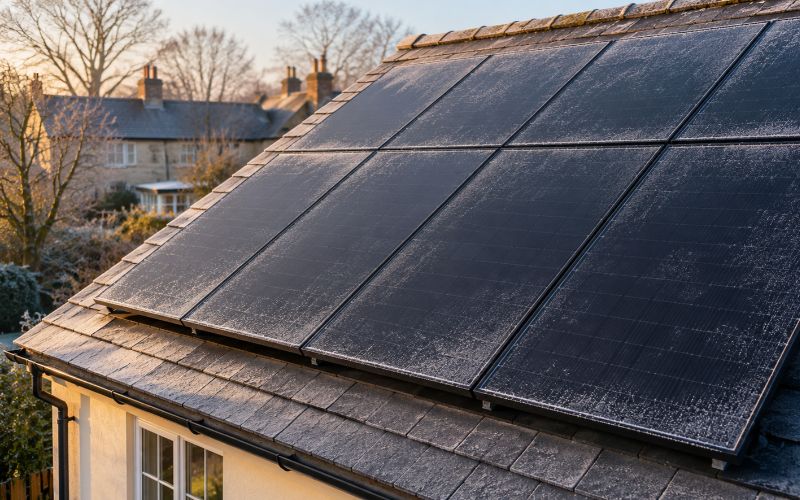
Cold weather on its own has very little effect on a solar installation. Panels, mounting rails, inverters and batteries are all designed to cope with UK winters. Rain, high winds and ice are the factors installers watch, mainly for the safety of the team working at height.
What installers plan around
- High winds: working on a roof with large panels is unsafe in strong gusts, so wind forecasts are checked closely.
- Heavy or persistent rain: wet roofs are slippery, and some electrical work needs dry conditions.
- Frost and ice: early-morning frost can mean a slightly later start until surfaces are safe.
Does it affect the quality of the installation?
No. A professional installer will not cut corners to beat the weather. If conditions are not right, the work pauses or moves to another day. Inside work, such as fitting the inverter, battery and consumer unit connections, is unaffected by the weather and can often go ahead regardless.
| Nano Tip | Before installation day, clear a path to where the battery and inverter will go, often a garage, utility room or external wall. In winter, having that indoor work ready to start means the team can make good progress even if the roof work has to wait for a better window. |
3. Why do some homeowners choose to install in autumn rather than spring?
The biggest reason is timing. If you wait until spring to start the process, the survey, design, paperwork and installation all have to happen before you generate anything, and some of the brightest weeks can pass in the meantime. Starting in autumn means all of that is done by the time the days lengthen.
The main benefits of an autumn or winter install
- Ready for the first bright days: your system is generating from the moment spring sunshine arrives.
- Potentially more flexibility on dates: quieter periods can mean more choice of survey and install slots.
- Battery benefits start straight away: a battery can begin saving you money in winter, as covered in the next section.
- Time to learn the system: you have a few months to get comfortable with the app, settings and tariff before peak generation.
Is there any downside?
The only real trade-off is that your first few months of generation will be lower than in summer. That is simply the season, not a sign of anything wrong.
| Nano Tip | If you are considering solar for a specific reason, such as a planned electric vehicle or a heat pump, mention it at your first enquiry. Installing in winter gives time to design the system around those future needs before the busy months, rather than adding to it later. |
4. Is a battery still useful in winter if the panels generate less?
Yes, and for many homes the battery is one of the most useful parts of the system in winter. Even when solar generation is lower, a battery can store energy from other sources and help you use electricity more cleverly.
How a battery helps in the darker months
- Charging on off-peak tariffs: with a time-of-use tariff, a battery can charge when electricity is cheaper, often overnight, and power the home during more expensive peak hours.
- Storing what the panels do generate: on bright winter days, the battery captures solar energy for use in the evening, when demand is usually highest.
- Backup during power cuts: some battery systems can keep selected circuits running if the grid goes down, depending on the battery and how it is set up. This is worth checking with your installer.
Choosing the right battery
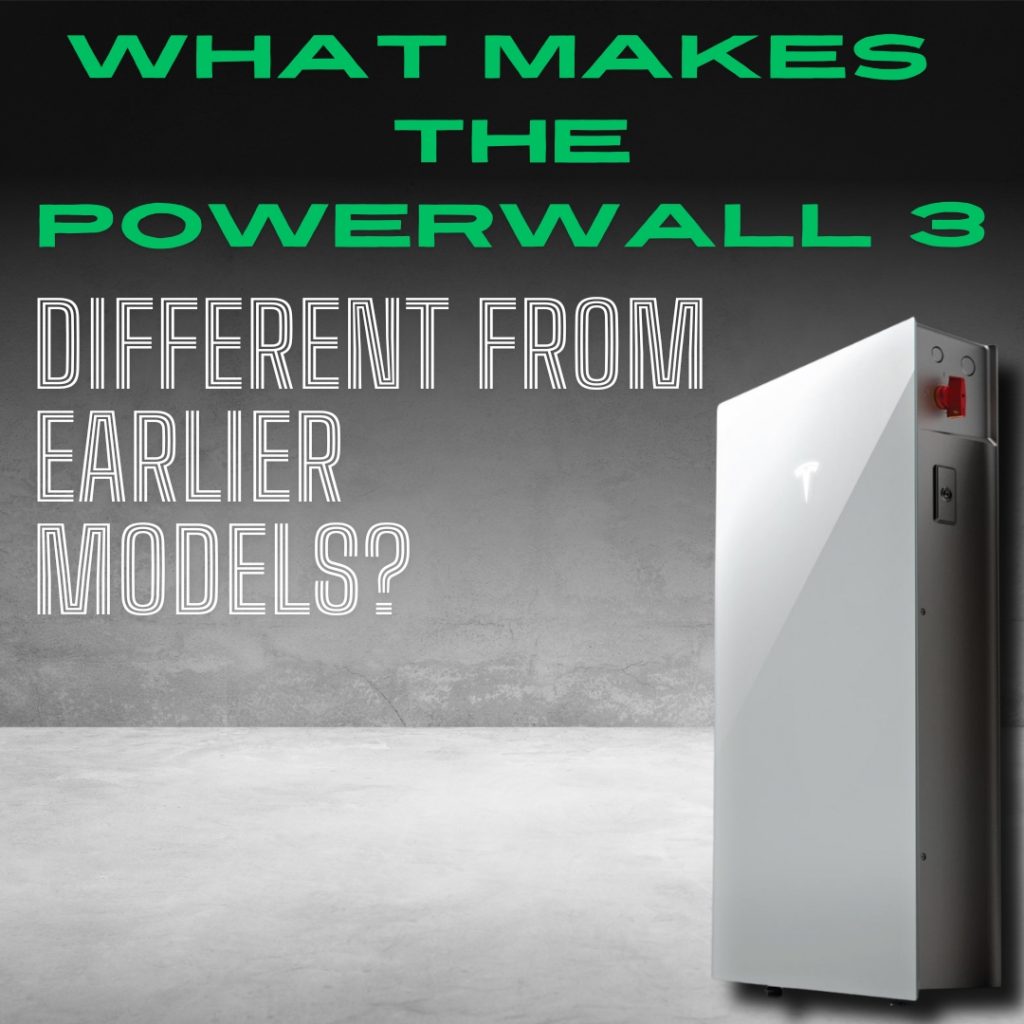
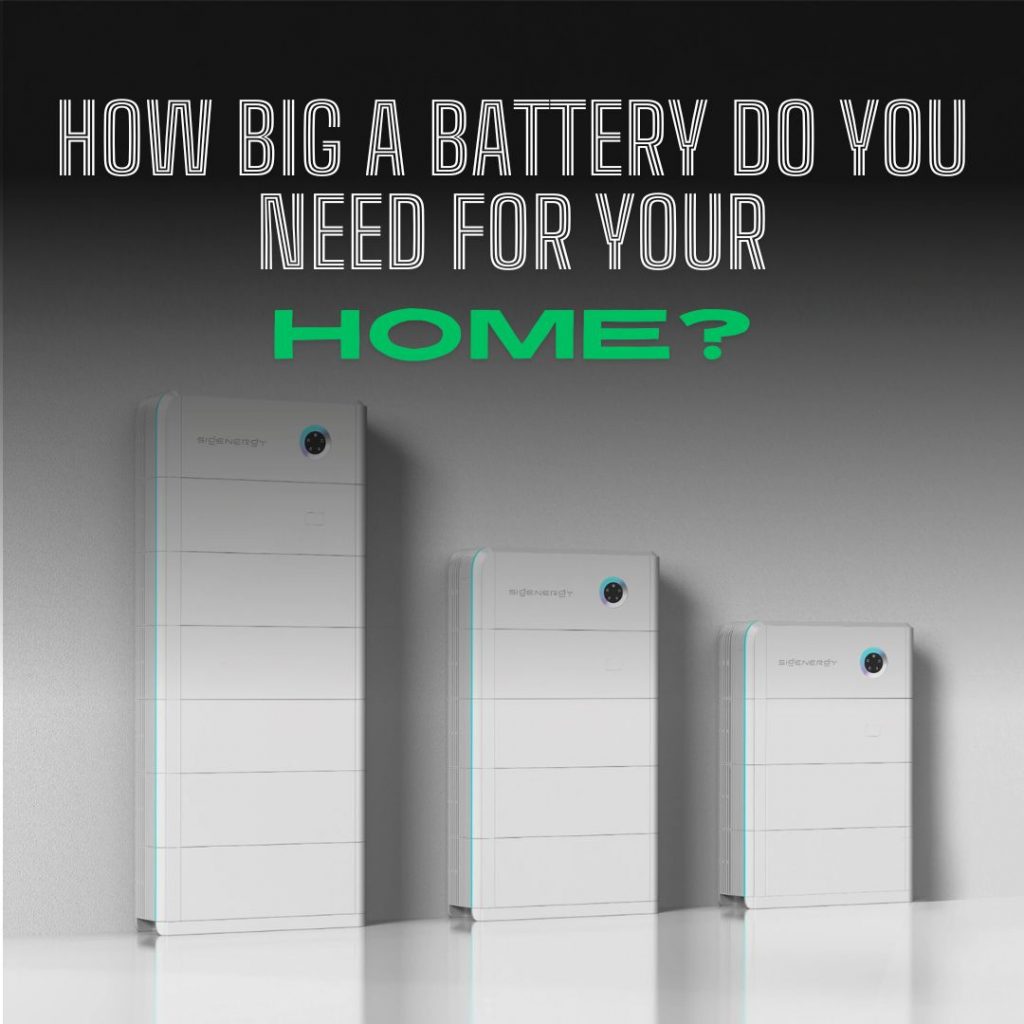
Nano Pro-tech is one of only a few Premium Certified Installers of Tesla Powerwall in the UK, but Powerwall is not the right fit for every home. We also install other leading battery brands, including Duracell Energy, Fox ESS, GivEnergy, and Sigenergy, and match each system to the property, budget and how the household uses energy.
| Nano Tip | Check your current electricity tariff before installation. A battery’s winter value depends heavily on whether you are on a tariff with cheaper off-peak periods, so it is worth reviewing your options as part of planning the system. |
5. How does a winter installation set a home up for the following spring and summer?
A winter installation means everything is done and working before the most productive months begin. By spring, your system is commissioned, registered and generating every bright day, rather than being booked in.
What is already in place by spring
- Panels and battery installed and tested, with any early settings fine-tuned.
- Grid notification complete, so the system is properly recorded with your local network operator.
- Paperwork in hand, including your MCS certificate, which you need to apply for export payments under the Smart Export Guarantee.
- Export arrangement set up, so you can be paid for surplus electricity you send to the grid once generation rises.
- Familiarity with your system, so you know how to read the app and get the best from your settings.
Making the most of summer
Over spring and summer, your panels will typically generate more than your home uses during the day. A battery stores that surplus for the evening, and anything left over can be exported. Having that ready from day one of the bright season means you are not missing any of it.
| Nano Tip | Apply for a Smart Export Guarantee tariff as soon as you receive your MCS certificate, rather than waiting until summer. Supplier applications can take some time to process, and you want the arrangement live before your export starts to increase. |
6. How long does the process take from first enquiry to a working system?
The timescale varies depending on the property, the system design and the paperwork involved, but the process usually follows the same stages.
The typical stages
- Initial enquiry and conversation: we discuss your home, energy use and goals.
- Survey: a look at your roof, electrics and where equipment will go. This can involve a visit or a remote assessment depending on the property.
- System design and quote: a proposal sized to your home and energy use.
- Paperwork and approvals: including network operator applications where required, and checking whether planning permission is needed (most domestic installations fall under permitted development, but some properties, such as listed buildings or those in conservation areas, need extra checks).
- Installation: the physical work, which for most homes is completed in a short number of days.
- Commissioning and handover: testing, setting up your app and providing your certificates.
What can affect timing
Larger systems, more complex roofs and some network operator applications can take longer. Starting in autumn gives plenty of breathing room for these steps before spring.
| Nano Tip | Have a recent electricity bill or your smart meter data to hand when you first get in touch. Knowing your annual usage early speeds up the design stage and gives a much more accurate proposal from the start. |
7. What happens if the weather is too poor on the planned installation day?
If the weather makes roof work unsafe, the installation is rescheduled. Safety always comes first, both for the installation team and for the quality of the work on your home.
How rescheduling usually works
- Forecasts are checked ahead of the day, so you are told as early as possible if a change is likely.
- Indoor work may still go ahead, such as fitting the battery or inverter, if conditions allow.
- A new date is agreed with you, usually the next suitable weather window.
Will a delay cause problems?
A short weather delay rarely makes a meaningful difference, particularly in winter when generation is lower anyway. Installing in autumn also builds in a margin, so even if a date moves, the system is still ready well before spring.
| Nano Tip | If scaffolding is going up before the main installation, ask how long it will stay in place and whether it is secured for winter winds. Knowing this in advance helps you plan around access to your driveway, garden or neighbouring properties. |
8. How does the current zero VAT relief affect the timing of an installation?
At the time of writing, the installation of solar panels and battery storage in residential properties in Great Britain qualifies for a zero rate of VAT, under the government’s relief for energy-saving materials. This relief is currently set to run until 31 March 2027, after which the rate is due to return to 5%, unless the rules change.
What this means for timing
- There is no need to rush, but it is sensible to be aware of the end date if you are planning ahead.
- The relief applies to qualifying installations, so your installer should confirm how it applies to your specific system.
- Rules can change, so always check the current position at the time you get a quote.
What about the overall price?
Prices for solar and battery systems change regularly and depend on the home: roof size and layout, the number of panels, the battery chosen, the electrical work needed and more. The most reliable way to get an accurate figure is to get a quote, which also makes sure the system is sized and specified correctly for how your home uses energy.
| Nano Tip | If you are thinking of adding a battery to existing solar panels, ask your installer whether the retrofit qualifies for zero-rate VAT relief too. Standalone battery installations were brought into the relief, and the details are worth confirming for your situation. |
9. What safety and regulation checks should a winter installation still meet, and how do you know your installer is properly certified?
A winter installation must meet exactly the same standards as one carried out in summer. The season makes no difference to the safety, electrical or certification requirements.
Checks every installation should meet
- Electrical safety: work should comply with current UK wiring regulations and be carried out or signed off by a qualified, registered electrician.
- Building regulations: electrical work in homes must be notified under Building Regulations, usually through a competent person scheme.
- Roof and structural checks: the roof should be assessed to make sure it can safely take the weight of the panels.
- Network operator notification: your local distribution network operator must be told about the system, and larger systems need approval before installation.
- Commissioning and testing: the full system should be tested before handover, with documentation provided.
How to check your installer is properly certified
- MCS certification: this confirms the installer and products meet recognised standards, and it is needed for Smart Export Guarantee payments.
- Consumer code membership: look for membership of a recognised consumer code, such as RECC or HIES, which offers protection if something goes wrong.
- Electrical registration: ask which competent person scheme the installer’s electricians are registered with.
- Manufacturer accreditation: for batteries, check whether the installer is approved by the brand being fitted.
Nano Pro-tech is also a Tesla Customer Excellence award winner.
| Nano Tip | Ask for certification numbers rather than just logos on a website, then check them on the relevant scheme’s public register. It takes a few minutes and gives real peace of mind. |
10. How can a homeowner plan a winter installation so the system is the right size and spec for their year-round energy use?
Good planning starts with how your home actually uses energy across the whole year, not just in summer. A system that looks right on a sunny day may be undersized for winter evenings, or larger than you really need.
What to share with your installer
- Annual electricity usage, ideally from your bills or smart meter.
- When you use most energy: daytime, evenings, or spread through the day.
- Current tariff, including any off-peak periods.
- Future plans, such as an electric vehicle, heat pump, home office or extension.
- Priorities, for example lower bills, backup power or maximising export.
How this shapes the system
- Panel numbers and layout are matched to your roof and your annual usage.
- Battery size is based on your evening and overnight demand and how you plan to charge it.
- Battery brand is chosen to suit the home, budget and requirements, whether that is a Tesla Powerwall, Sigenergy or another leading option.

| Nano Tip | Think about how your energy use might change over the next five to ten years, not just today. Designing with headroom for future upgrades, such as space for additional panels or a battery that can be expanded, is often simpler than reworking a system later. |
Ready to Get Your System Set Up Before Spring?
Installing solar panels in winter is one of the simplest ways to make sure you do not miss a single bright day next year. By the time spring arrives, your panels, battery and paperwork can all be in place, and you can simply enjoy the results.
If you would like to talk through what would suit your home, Nano Pro-tech can help you plan a system around your property, budget and year-round energy use. Visit nano-pro.tech to get in touch and arrange a quote.
This article is for general guidance only. Regulations, VAT relief and scheme rules can change, so please check the current position or speak to a qualified installer before making decisions.
Frequently Asked Questions
Here are the questions Nano Pro-Tech hears most often from existing solar owners about solar and battery installs in late Autumn and Winter— with clear, practical answers.
Will my panels generate anything in December?
Yes. Output is lower than in summer, but panels still produce electricity from daylight, including on cloudy days.
Can panels be installed if there’s snow on the roof?
Not usually. Roof work waits until surfaces are clear and safe.
Does snow on panels damage them?
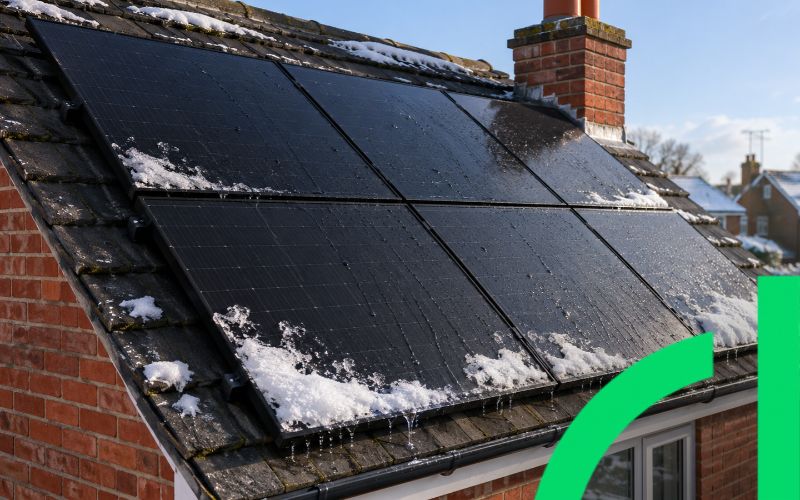
No. Panels are built to handle snow loads, and light snow usually slides off as it melts.
Do I need planning permission?
Most domestic installations fall under permitted development, but listed buildings and conservation areas may need extra checks.
Will I be without power on installation day?
There is usually a short period when the electricity is switched off for connection work. Your installer will tell you when.
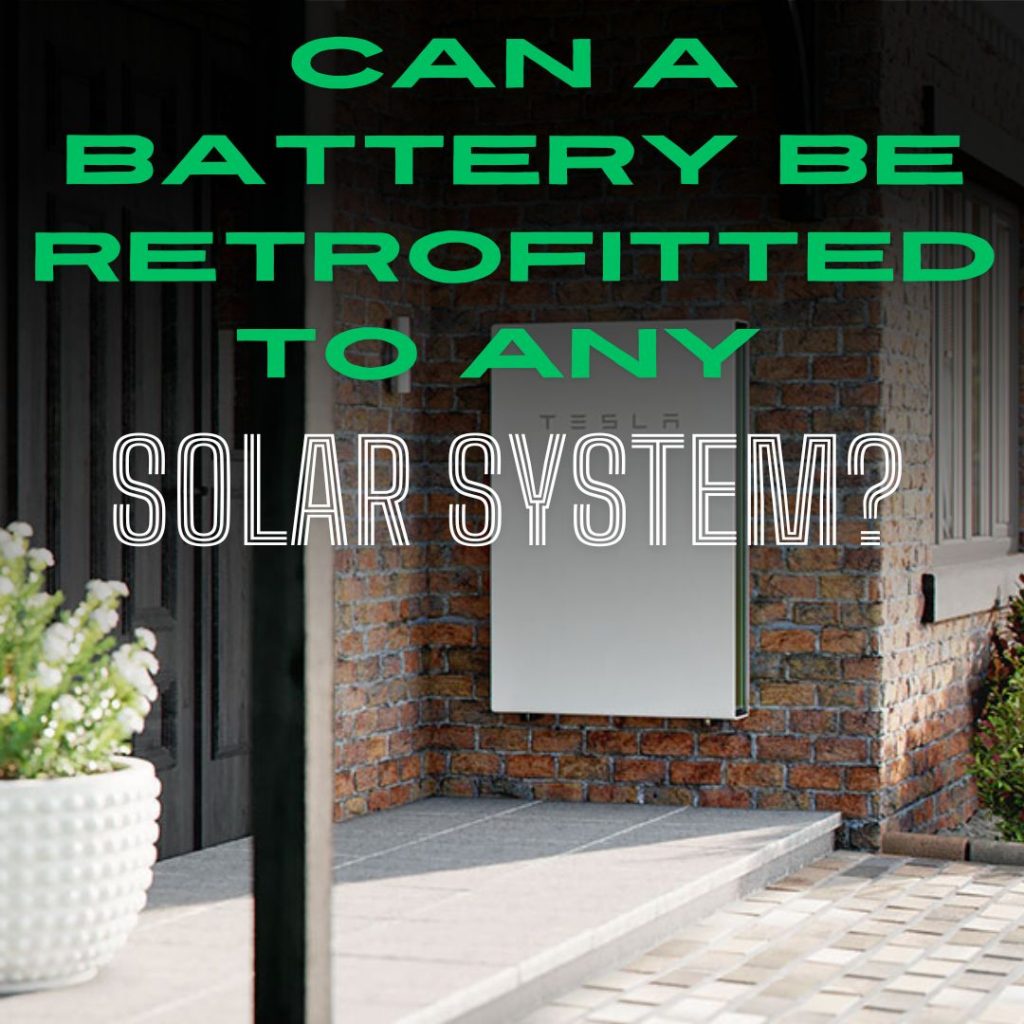
Can I add a battery to panels I already have?
In many cases, yes. Compatibility depends on your existing inverter and setup.
Does Nano Pro-tech only install Tesla batteries?
No. We are Premium Certified Installers of Tesla Powerwall, but also install other leading brands, including Duracell Energy, Fox ESS, GivEnergy Sigenergy, chosen to suit each home.
How much does a solar and battery system cost?
It depends on your roof, system size, battery choice and electrical work, and prices change regularly. A quote gives you an accurate figure for a system sized correctly for your home.
Do solar panels need cleaning in winter?
Rarely. Rain usually keeps them clean, and you should never climb onto the roof yourself. We can handle cleaning and other essential jobs with our maintenance packages.
Does Nano Pro-tech work outside Essex?
Yes. We are based in Colchester and install across the whole UK.