







Nano Pro-Tech explains how time-of-use electricity tariffs work, which ones suit a retrofit battery best, and how much you can realistically save.
Most people thinking about home battery storage focus on solar self-consumption — storing the electricity their panels generate during the day and using it in the evening. It is a well-understood and genuinely valuable benefit. But it is not the only way a retrofit battery can save you money. A second, entirely independent financial opportunity has quietly become one of the strongest arguments for battery storage in the UK: charging from the grid at cheap overnight rates and using that stored electricity instead of buying expensive peak-rate power during the day.
Electricity is not priced the same way at 3am as it is at 6pm. On the right time-of-use tariff, overnight electricity currently costs as little as 7p per kWh — compared to 25p or more during the day. A battery that automatically charges during those cheap overnight hours and discharges during the expensive daytime and evening periods turns that price difference into a direct saving, every day of the year, whether or not the sun has shone.
In this guide, Nano Pro-Tech explains exactly how overnight cheap-rate charging works, which tariffs deliver the best results for retrofit battery owners, what you need in place to access them, and how much you can realistically expect to save. Whether you already have solar panels or are considering a battery on its own, this guide will give you the full picture.
In This Guide We Answer:
- Why Overnight Charging Is Changing the Economics of Battery Storage
- What Is a Time-of-Use Tariff – and How Does It Work with a Home Battery?
- Does Your Retrofit Battery Need to Be Compatible with a Smart Tariff — and How Do You Check?
- Octopus Go and Intelligent Octopus Go — the Most Popular Overnight Charging Tariffs Explained
- Agile Octopus — How Half-Hourly Pricing Works and When It Beats a Fixed Overnight Rate
- Do You Need Solar Panels to Benefit from Overnight Cheap-Rate Charging?
- How Much Can You Realistically Save by Charging on a Cheap Overnight Tariff?
- What Is “Arbitrage” — and Is Using a Battery to Buy Cheap and Sell Dear Actually Possible?
- What Do You Need in Place Before You Can Switch to a Smart Tariff?
- How Does Nano Pro-Tech Help You Set Up a Retrofit Battery to Work with the Right Tariff?
1. Why Overnight Charging Is Changing the Economics of Battery Storage
When battery storage first entered the UK residential market in meaningful numbers, the financial case rested almost entirely on solar self-consumption — storing surplus solar electricity generated during the day and using it in the evening, rather than exporting it to the grid at low rates and buying it back at full price. That case remains valid and compelling. But it has been joined by a second, entirely independent source of value: overnight grid charging on cheap-rate tariffs.
The principle is straightforward. Electricity is not uniformly priced throughout the day. During periods of low demand — typically overnight, between around midnight and 6am — wholesale electricity prices fall significantly, and a growing number of UK energy suppliers pass those lower prices directly to customers on time-of-use tariffs. Rates that currently average around 24–28p per kWh during peak daytime periods can fall to as low as 7p per kWh overnight on some tariffs, and occasionally to zero or even negative on the most dynamic pricing products.
A retrofit battery that can be scheduled to charge during those cheap overnight windows and discharge during the expensive daytime and evening periods turns that price difference into a direct financial saving — every single day of the year, regardless of whether the sun has shone. For many households, particularly those without solar panels or with limited roof space, this overnight arbitrage strategy is the primary financial case for battery storage. Nano Pro-Tech installs and configures retrofit batteries to take full advantage of these tariff opportunities, and this guide explains everything you need to know.
| Nano Tip | The combination of cheap overnight charging and reduced peak-rate consumption is now one of the strongest financial arguments for battery storage in the UK — independent of solar generation. For households on a good time-of-use tariff with a well-sized battery, annual savings of £400–£800 are achievable from tariff arbitrage alone, before any solar benefit is counted. |
2. What Is a Time-of-Use Tariff – and How Does It Work with a Home Battery?
A time-of-use (TOU) tariff is an electricity pricing structure where the rate you pay per kilowatt hour varies depending on what time of day you consume the electricity. Unlike a standard flat-rate tariff — where you pay the same amount for electricity whether you use it at 3am or 7pm — a time-of-use tariff charges more during periods of high demand and less during periods of low demand.
The rationale is rooted in how electricity grids work. At peak times — typically weekday evenings between 4pm and 7pm, when people return home and switch on appliances, heating, and cookers simultaneously — demand on the grid spikes, wholesale prices rise, and the electricity system has to draw on more expensive and often less clean generation sources. Overnight, demand drops, renewable generation frequently exceeds consumption, and wholesale prices fall substantially. Time-of-use tariffs reflect this underlying market reality and give customers a direct financial incentive to shift their consumption away from peak periods.
How a Battery Interacts with a Time-of-Use Tariff
A home battery effectively allows you to time-shift your electricity consumption — buying it when it is cheap and using it when it would otherwise be expensive. The battery charges overnight at the low off-peak rate and then discharges during the day and evening, reducing or eliminating the amount of expensive peak-rate electricity you need to import from the grid.
The battery does not change when you actually use electricity in your home – your lights, appliances, and devices continue to operate exactly as normal. What changes is when the electricity powering them was purchased. From the grid’s perspective, you are a large consumer of electricity overnight and a much smaller consumer during the day. From your perspective, your electricity bill falls significantly.
What You Need for a Time-of-Use Tariff to Work
To access a time-of-use tariff, you need a smart meter that can record half-hourly consumption data — either a SMETS2 meter or an upgraded SMETS1 meter. Most UK homes now have a smart meter installed, but if yours predates the rollout, your energy supplier can arrange a free upgrade. You also need a battery that can be scheduled to charge and discharge at specific times — which most modern retrofit batteries support through their associated apps or energy management systems.
| Nano Tip | Before switching to a time-of-use tariff, check your current smart meter type. SMETS2 meters and upgraded SMETS1 meters are compatible with all major smart tariffs. Older SMETS1 meters that have not been upgraded may not work with half-hourly tariffs like Agile Octopus. Nano Pro-Tech checks meter compatibility as part of every retrofit battery installation and will flag any issues before you switch tariff. |
3. Does Your Retrofit Battery Need to Be Compatible with a Smart Tariff — and How Do You Check?
Not all retrofit batteries interact with time-of-use tariffs in the same way — and understanding the difference between basic scheduling and genuine smart tariff integration matters, because it affects both the ease of managing your system and the financial returns you can achieve.
At the most basic level, almost any modern retrofit battery can be used with a time-of-use tariff, provided it has a scheduling function that allows you to set specific charge and discharge windows. You set the battery to charge between midnight and 6am (for example, during the Octopus Go cheap window), and to discharge during the day. This works reliably and requires no special integration between the battery and the tariff — just the ability to programme a schedule through the battery’s app.
Basic Scheduling Versus Smart Tariff Integration
Some battery systems go significantly further than basic scheduling. Products from manufacturers including Tesla, GivEnergy, Duracell Energy, and Sigenergy have native integration with specific Octopus Energy tariffs through APIs — meaning the battery’s energy management system communicates directly with the tariff provider and adjusts charging and discharging behaviour automatically in response to real-time price signals.
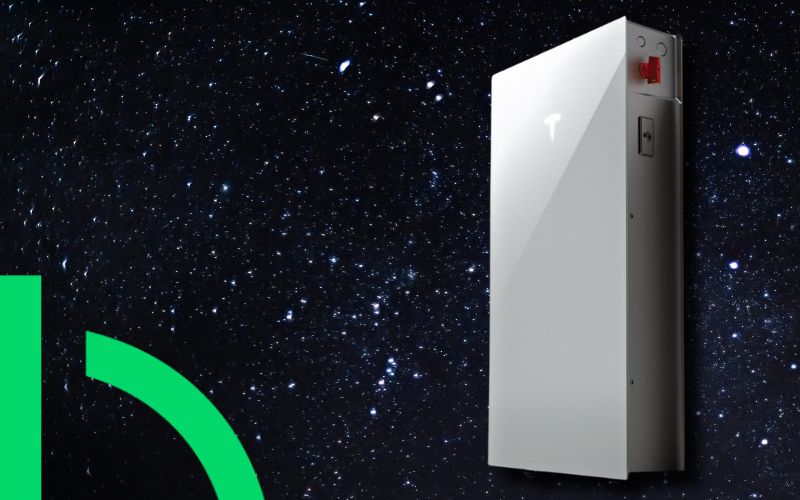
With a Tesla Powerwall 3 on Intelligent Octopus Go, for example, the system schedules battery charging automatically within the overnight cheap window, prioritising the cheapest half-hour slots within that window. With GivEnergy on Agile Octopus, the battery can be configured to charge during any half-hour period where the price drops below a threshold you set — automatically capturing plunge pricing events without any manual intervention.
How to Check Your Battery’s Tariff Compatibility
The simplest way to check is to look at your battery manufacturer’s documentation or app for mentions of specific tariff integrations or API connections. Alternatively, Octopus Energy maintains a list of compatible devices on their website. If your battery was installed by Nano Pro-Tech, their team can advise on what level of integration is available for your specific product and configure it correctly for your chosen tariff.
What If Your Battery Only Supports Basic Scheduling?
Basic scheduling is perfectly effective for fixed cheap-rate windows like Octopus Go — where the cheap period is the same every night and a fixed schedule works without any dynamic optimisation. It is less suited to fully variable tariffs like Agile Octopus, where the cheapest periods shift from night to night based on wholesale market conditions. For Agile, either native smart integration or a third-party optimisation platform is needed to capture the full savings potential.
| Nano Tip | When Nano Pro-Tech installs a retrofit battery, they configure the charging schedule as part of the commissioning process — so you leave on the day of installation with a system that is already set up to take advantage of your overnight cheap window. If you are on an existing flat-rate tariff, they can also guide you through switching to an appropriate time-of-use tariff at the same time. |
4. Octopus Go and Intelligent Octopus Go — the Most Popular Overnight Charging Tariffs Explained
Octopus Energy has become the dominant name in smart electricity tariffs for battery storage owners in the UK, and their Go and Intelligent Go products are the most widely used overnight charging tariffs among homes with retrofit batteries. Understanding how each works — and which is more appropriate for your setup — is one of the most practically useful decisions you will make about your battery system.
Octopus Go
Octopus Go is the simpler of the two products. It offers a fixed cheap overnight rate — currently around 7–8.5p per kWh depending on region — for a set window running from midnight to 05:30 every night. Outside that window, the standard daytime rate applies, currently averaging around 24–28p per kWh. The cheap window is the same every night, which makes scheduling straightforward: set your battery to charge between midnight and 5:30am, and it will reliably fill up at the low overnight rate before the daytime rate kicks in.
Octopus Go is well-suited to households with a retrofit battery that has basic scheduling capability, homes without an EV that want a simple and predictable tariff structure, and customers who prefer certainty over the variability of dynamic pricing. The fixed overnight window means there are no surprises and no need to monitor prices daily.
Intelligent Octopus Go
Intelligent Octopus Go offers the same base overnight rate as Octopus Go — approximately 7p per kWh in most regions — but extends the cheap window using smart scheduling. Rather than a fixed 00:00–05:30 window, Intelligent Go uses API integration with compatible devices to schedule charging across a broader overnight period, automatically identifying the cheapest and greenest slots within that window.
For households with a compatible battery — including the Tesla Powerwall 3, Sigenergy SigenStor, and certain GivEnergy models — Intelligent Octopus Go is typically the stronger option. The smart scheduling ensures your battery charges at the very cheapest points within the overnight window, and Octopus can also integrate EV charging into the same optimisation if you have a compatible electric vehicle and home charger. The daytime rate is the same as standard Octopus Go.
Which Is Right for You?
If your retrofit battery has native Octopus API integration, Intelligent Octopus Go is generally the better choice — the smart scheduling adds value without adding complexity from your perspective. If your battery only supports basic scheduling, Octopus Go delivers the same cheap overnight rate with a predictable fixed window that is easy to configure. Nano Pro-Tech will advise which product is most appropriate for your specific battery at the time of installation.
| Nano Tip | Regional variation matters with Octopus tariffs. The overnight rate on Octopus Go and Intelligent Octopus Go varies by grid region — customers in London typically pay around 10% more than those in Yorkshire or the East Midlands, for example. Before switching, check the specific rate applicable to your postcode on the Octopus Energy website rather than relying on the headline national figure. |
5. Agile Octopus — How Half-Hourly Pricing Works and When It Beats a Fixed Overnight Rate
Agile Octopus is the most dynamic — and potentially the most rewarding — time-of-use tariff available to UK battery owners. Rather than offering a fixed cheap window at a fixed rate, Agile tracks the wholesale electricity market and updates prices every 30 minutes, with tomorrow’s rates published each afternoon at 4pm. On nights when renewable generation is high and demand is low — particularly windy winter nights — Agile prices can fall to just 2–3p per kWh, or even go negative, meaning Octopus effectively pays you to use electricity.
In the 12 months from April 2025 to April 2026, Agile customers in the East Midlands experienced over 370 half-hour periods of negative or zero pricing — meaning that for around 2% of the year, the grid was paying customers to consume electricity. For a battery owner who can automatically capture these periods, the savings potential is substantial.
How Agile Pricing Works in Practice
Every day at 4pm, Octopus publishes the Agile prices for every half-hour slot from midnight to midnight the following day. These prices reflect the day-ahead wholesale electricity market and vary significantly — overnight slots during high wind periods might be 2–5p per kWh, whilst peak evening slots on cold, still winter days can reach 30p or more. The average across the year on Agile currently sits around 20–22p per kWh, which is lower than the standard price cap rate of around 26p.
For battery owners, the value of Agile comes from the ability to charge during the cheapest overnight slots rather than simply during a fixed window. A battery that automatically identifies and charges during the six cheapest half-hour periods each night — regardless of which six periods those happen to be — can achieve average import costs well below the Octopus Go overnight rate on most days.
When Agile Is the Better Choice
Agile is most valuable for households with a battery that has smart tariff integration, giving it the ability to respond automatically to price signals without manual intervention. It is also better suited to households that are comfortable with some price variability — on occasional high-demand days, peak rates can spike significantly above the standard cap, though the battery’s ability to discharge during those periods means you should rarely need to import at peak rates.
For households with a basic scheduling-only battery, Agile is more complex to optimise and the full savings potential is harder to capture. In that situation, the fixed-rate simplicity of Octopus Go is often the more practical choice.
Plunge Pricing — a Unique Advantage
Agile’s plunge pricing — where rates go negative and customers are paid to consume electricity — is a genuinely unusual feature that no fixed-rate tariff can match. A battery that is configured to charge automatically when prices go negative effectively gets paid to fill up, turning what would otherwise be wasted renewable energy into stored value. Over a full year, capturing these negative-price events can add meaningfully to the overall financial return from a battery and Agile combination.
| Nano Tip | Agile Octopus is not suitable for all battery owners — particularly those without smart tariff integration on their battery. If you are interested in Agile, discuss it with Nano Pro-Tech before switching. They can confirm whether your battery supports the automation needed to make Agile work effectively and advise on any third-party optimisation platforms that can add smart functionality to batteries without native Agile support. |
6. Do You Need Solar Panels to Benefit from Overnight Cheap-Rate Charging?
This is one of the most important and frequently misunderstood points about home battery storage — and the answer is a clear no. You do not need solar panels to benefit from a retrofit battery charged on cheap overnight tariffs. The two are complementary but entirely independent sources of value, and a grid-only battery strategy is a perfectly viable and financially sound approach for many UK households.
The financial case for a grid-charging battery is straightforward: buy electricity at 7p per kWh overnight, use it during the day instead of buying from the grid at 25–28p per kWh. The saving on each unit is approximately 18–21p. A 10kWh battery fully charged overnight and fully discharged during the day generates an annual saving of around £650–£750 from tariff arbitrage alone — before any SEG payments, backup power benefits, or solar generation is considered.

Who Is a Grid-Only Battery Strategy Most Suited To?
Grid-only overnight charging is particularly well-suited to households without a south-facing roof or with significant shading that limits solar generation potential; properties where the upfront cost of solar panels is not currently justifiable but battery storage alone stacks up financially; homes in areas of the UK with lower solar irradiance, where panel output is more limited; and households that want the backup power and energy resilience benefits of battery storage without the full solar and battery investment.
How the Maths Change When You Add Solar
When a battery is combined with solar panels, the financial case strengthens further. In summer, the battery fills primarily from solar surplus during the day and contributes its overnight grid-charged capacity less frequently. In winter, when solar generation is limited, overnight grid charging becomes the dominant charging source — meaning the solar and battery combination provides strong value year-round, drawing on whichever source is most beneficial at any given time.
A well-designed system with smart energy management will automatically prioritise solar charging over grid charging, only drawing from the grid when solar surplus is insufficient to fill the battery during the cheap overnight window. This maximises self-sufficiency whilst ensuring the battery is always available to provide peak-rate displacement during the day.
| Nano Tip | If you do not currently have solar panels but are considering battery storage for overnight tariff savings, Nano Pro-Tech recommends specifying a battery system that is solar-ready — meaning it can integrate with solar panels if you choose to add them in the future. This avoids the need to replace equipment later and keeps your options open as your energy needs evolve. |
7. How Much Can You Realistically Save by Charging on a Cheap Overnight Tariff?
The honest answer is that savings vary depending on your battery size, your household’s electricity consumption patterns, the tariff you choose, and how well the system is configured. But the numbers are genuinely significant — and for many households, the tariff arbitrage saving alone is enough to make battery storage financially attractive.
The core calculation is the spread between the cheap overnight rate and the daytime peak rate you are avoiding. On Octopus Go, that spread is currently approximately 17–21p per kWh — the difference between a 7–8.5p overnight rate and a 24–28p daytime rate. Every kilowatt hour you charge at night and discharge during the day is worth that spread as a direct saving.

A Worked Example for a 10kWh Battery
Consider a household with a 10kWh retrofit battery on Octopus Go. The battery charges fully overnight at 7.5p per kWh, costing 75p. During the day, it discharges 9kWh of usable capacity (assuming 90% round-trip efficiency), replacing electricity that would otherwise have cost 26p per kWh — a value of £2.34. The net saving per day is £2.34 minus £0.75, which equals £1.59. Over 365 days, that is approximately £580 per year from overnight charging alone.
In practice, the battery will not achieve 100% utilisation every single day — there will be days when household consumption is low enough that the battery does not fully discharge, and winter days when it may not be needed to the same extent. A more conservative real-world estimate for a well-sized battery on Octopus Go might be £400–£600 per year in annual saving from overnight arbitrage, rising to £600–£800 or more for larger batteries or households with higher daytime consumption.
The Additional Impact of Agile Plunge Pricing
For households on Agile Octopus with smart tariff integration, the potential saving is higher. Capturing cheap and negative-price slots rather than a fixed overnight window improves the average import cost, and the ability to discharge during expensive peak-price periods adds further value. Octopus reported that the average Agile customer saved around £440 per year compared to a standard variable tariff in 2023 — and for battery owners who can fully automate their charging and discharging around price signals, the saving is substantially higher.
Payback Period Implications
At a saving of £500 per year from overnight tariff arbitrage, a £5,000 retrofit battery installation has a payback period of ten years from tariff savings alone. Add solar self-consumption savings on top of that, and the combined payback period shortens to six to eight years for many installations — with a battery lifespan of 10 to 15 years or more. The financial case for a well-specified retrofit battery on a good time-of-use tariff is genuinely compelling.
| Nano Tip | Nano Pro-Tech produces a personalised savings projection for every retrofit battery proposal, modelling the expected annual saving from both solar self-consumption (where applicable) and overnight tariff arbitrage, based on your actual electricity consumption data and the tariff most appropriate for your setup. This gives you a realistic, site-specific financial case — not a best-case scenario. |
8. What Is “Arbitrage” — and Is Using a Battery to Buy Cheap and Sell Dear Actually Possible?
The word “arbitrage” comes from financial markets — it describes the practice of buying an asset at a low price in one market and selling it at a higher price in another, profiting from the price difference. In the context of home battery storage, energy arbitrage means charging the battery when electricity is cheap and either using that stored electricity instead of buying expensive grid power, or — in some cases — actually exporting it back to the grid at a higher price.
The self-consumption side of this is straightforward and unambiguously available to all battery owners on a time-of-use tariff: charge cheap, avoid expensive. This is the basis of all the savings calculations in the previous section and is how the vast majority of UK battery owners benefit from overnight tariff charging.
Export Arbitrage — Charging Cheap and Selling Dear
The more active form of arbitrage — charging from the grid overnight and then exporting that electricity back to the grid at a higher daytime rate — is theoretically possible but more complex. To do it, you need a battery that can export to the grid (not all can), a Smart Export Guarantee tariff that pays a meaningful rate, and a time-of-use import tariff where the overnight rate is sufficiently lower than the export rate to make the round trip financially positive after accounting for the battery’s round-trip efficiency losses.
On Agile Octopus, with overnight rates sometimes as low as 2–5p and daytime export rates of 12–24p per kWh depending on the export tariff, the maths can work — particularly during high-price periods. However, this type of active export arbitrage is complex to manage, depends on favourable price conditions that are not guaranteed, and requires careful configuration to avoid falling foul of network operator rules around export limits.
The Simpler and More Reliable Strategy
For most households, the simpler and more reliably profitable strategy is self-consumption arbitrage — charging cheap and using the stored electricity instead of buying expensive peak-rate power. This does not require grid export capability, does not depend on volatile price spreads, and generates consistent savings day after day. It is the strategy Nano Pro-Tech recommends as the foundation for any overnight tariff charging setup, with export optimisation considered as a secondary layer for households with suitable batteries and appetite for more active energy management.
| Nano Tip | If you are interested in export arbitrage as well as self-consumption savings, check whether your retrofit battery supports grid export before switching to a tariff that relies on it. Not all batteries are configured for export by default, and enabling export may require additional DNO notification or approval. Nano Pro-Tech handles all DNO paperwork as standard and can advise on whether your battery and tariff combination supports a full arbitrage strategy. |
9. What Do You Need in Place Before You Can Switch to a Smart Tariff?
Switching to a time-of-use tariff to take advantage of cheap overnight charging is not complicated, but there are a few prerequisites that need to be in place before you can do so. Getting these sorted in advance means the switch is smooth and the savings start from day one.
A Compatible Smart Meter
The most fundamental requirement is a compatible smart meter. Time-of-use tariffs like Octopus Go and Agile Octopus require a meter that can record and report half-hourly consumption data. SMETS2 meters — the standard type installed across the UK since 2018 — are universally compatible. SMETS1 meters vary: some have been remotely upgraded by suppliers and work fine, whilst others have not and may need replacement before you can switch. Your current energy supplier can tell you which type of meter you have and whether it is compatible.
A Retrofit Battery with Scheduling Capability
You need a battery that can be programmed to charge and discharge at specific times. Almost all modern retrofit batteries — including the brands that Nano Pro-Tech installs — support time-based scheduling through a dedicated app or web portal. The scheduling function allows you to set a charging window that aligns with your tariff’s cheap-rate period, ensuring the battery charges automatically every night without manual intervention.
An Octopus Energy Account (or Compatible Supplier)
Octopus Energy is currently the most popular and best-supported supplier for battery storage time-of-use tariffs in the UK, and their Go and Agile products are the most widely used by battery owners. However, other suppliers offer similar products — British Gas, EDF, E.ON, and others have their own versions of time-of-use tariffs, and the market is expanding rapidly as Ofgem’s half-hourly settlement rollout progresses through 2025 and 2026.
Switching energy supplier is straightforward and typically takes two to three weeks. There are no exit fees on most smart tariffs, and you can switch back to a standard tariff if a time-of-use tariff does not suit your household. Nano Pro-Tech walks every retrofit battery customer through the tariff options available to them and helps them identify the most suitable product before or at the point of installation.
DNO Notification for Larger Batteries
For batteries above 3.68kW in a single-phase property, notification to your Distribution Network Operator (DNO) is required before installation. For larger systems, formal approval may be needed. If grid export is also being enabled, additional notification is required. Nano Pro-Tech handles all DNO notifications and approvals on behalf of their customers as a standard part of the installation process — you do not need to manage this yourself.
| Nano Tip | Do not wait until after your battery is installed to think about tariff switching. The ideal time to arrange the switch to a time-of-use tariff is in the two to three weeks before your installation date, so that the tariff is active and your battery can start optimising from the moment it is commissioned. Nano Pro-Tech coordinates the timing of tariff switches alongside installation scheduling for all relevant customers. |
10. How Does Nano Pro-Tech Help You Set Up a Retrofit Battery to Work with the Right Tariff?
Installing a retrofit battery is only half the job. A battery that is not configured correctly for its owner’s tariff and consumption patterns will underperform relative to its potential — and many customers who have batteries installed by less thorough companies never capture the full savings they should be achieving. Nano Pro-Tech takes a different approach, treating the tariff and configuration side of a retrofit installation as being as important as the physical hardware.
The process starts at the site survey stage. As part of assessing the right battery size and specification for a property, Nano Pro-Tech reviews the household’s current energy tariff, consumption patterns, and — where available — smart meter data. This allows them to model the expected saving from different tariff and battery combinations and to recommend the most appropriate approach before any hardware is purchased.
Configuration at Commissioning
On installation day, Nano Pro-Tech’s engineers configure the battery’s charging and discharging schedule as part of the commissioning process. For customers already on a time-of-use tariff, the schedule is set to align with the cheap-rate window from day one. For customers switching tariff around the time of installation, the configuration is updated once the new tariff is active. Customers leave with a fully operational system that is already working to save them money — not a battery that they need to figure out how to configure themselves.
Smart Tariff Integration Setup
Where a battery has native integration with Octopus Energy or another tariff provider, Nano Pro-Tech sets up the API connection as part of the installation handover. This involves linking the battery’s energy management system to the customer’s Octopus account, enabling automatic optimisation of charging schedules based on real-time tariff data. For batteries supporting Intelligent Octopus Go, this integration means the system operates autonomously from the outset, without requiring daily manual input from the customer.
Ongoing Support and Monitoring
Nano Pro-Tech provides all retrofit battery customers with access to monitoring tools that allow them to track their battery’s charging and discharging behaviour, their grid import costs, and their estimated savings over time. If a customer switches tariff after installation, Nano Pro-Tech can remotely support the reconfiguration of the battery schedule to align with the new pricing structure. And if questions arise about tariff optimisation or system performance at any point during the battery’s life, Nano Pro-Tech’s team is available to help.
The combination of the right hardware, the right tariff, and a correctly configured system is what determines how much value a retrofit battery actually delivers. Nano Pro-Tech brings all three together — giving their customers the best possible chance of achieving the savings the investment promises.
| Nano Tip | When you get in touch with Nano Pro-Tech about a retrofit battery installation, mention your current energy tariff and whether you have a smart meter. This information helps them recommend the right battery specification and tariff combination from the first conversation — so by the time of your site survey, you already have a clear picture of the savings potential for your specific home. |
Start Saving on Your Electricity Bills with Nano Pro-Tech
Nano Pro-Tech specialises in retrofit battery installations configured to make the most of cheap overnight tariffs from day one. Their team handles everything — from selecting the right battery for your home and tariff, to commissioning, scheduling, and smart tariff integration — so you start saving immediately, not after weeks of figuring it out yourself.
Get in touch with Nano Pro-Tech today for a no-obligation consultation. They will assess your home, review your current tariff, and show you exactly how much a retrofit battery could save you — with real numbers based on your actual usage, not generic estimates.
Frequently Asked Questions
Here are the questions Nano Pro-Tech hears most often from customers considering overnight tariff charging for their retrofit battery — with clear, practical answers.
Can I Charge My Battery from the Grid Even If I Also Have Solar Panels?
Yes, absolutely. A retrofit battery with solar panels will prioritise charging from solar surplus during the day, but it can also be configured to top up from the grid overnight during the cheap-rate window if solar generation has not fully charged it. A good energy management system handles this automatically — solar charging takes priority, and grid charging fills the remaining capacity overnight at the lowest available rate.
Do I Need a Smart Meter to Access Overnight Cheap-Rate Tariffs?
Yes. Time-of-use tariffs like Octopus Go and Agile Octopus require a smart meter capable of recording half-hourly consumption data — either a SMETS2 meter or a remotely upgraded SMETS1 meter. If you do not currently have a compatible smart meter, your energy supplier can arrange a free upgrade. Most UK homes now have a SMETS2 meter installed, so this is not an obstacle for the majority of households.
Can Any Retrofit Battery Be Scheduled to Charge During Cheap Overnight Windows?
Almost all modern retrofit batteries support time-based scheduling — the ability to set specific charge and discharge windows through an app or web portal. This is the minimum requirement for using a cheap overnight tariff effectively. Some batteries also offer smart tariff integration, where the battery automatically optimises its charging schedule based on real-time price data. Nano Pro-Tech can confirm the scheduling and integration capabilities of any battery they supply before you commit.
What Is “Plunge Pricing” and Can My Battery Take Advantage of It Automatically?
Plunge pricing refers to periods on the Agile Octopus tariff when wholesale electricity prices go negative — meaning the grid is effectively paying customers to use electricity, typically during periods of very high renewable generation and low demand. Whether your battery can capture these automatically depends on whether it has native Agile integration or is connected to a third-party optimisation platform. Batteries with smart tariff integration can be configured to charge automatically whenever the price falls below a threshold you set, including during negative-price periods.
Will Switching to a Time-of-Use Tariff Increase My Bills During Peak Hours?
Peak-rate periods on time-of-use tariffs are typically more expensive than the standard flat rate — this is by design, as the tariff incentivises you to shift consumption away from those periods. However, with a battery that discharges during peak hours, you should rarely need to import grid electricity at the peak rate. The battery effectively shields you from peak pricing, so the higher peak rate on the tariff is largely irrelevant to your actual bill.
Can I Use a Cheap Overnight Tariff from a Supplier Other Than Octopus?
Yes. Octopus Energy is the most widely used and best-integrated supplier for battery storage time-of-use tariffs, but other suppliers offer similar products. British Gas, EDF FreePhase, E.ON, and others have time-of-use tariff options with cheap overnight windows. The key factors to compare are the overnight rate, the daytime rate, the hours of the cheap window, and whether the tariff integrates with your specific battery’s energy management system.
What Happens If My Battery Fills Up Before the Cheap Rate Window Ends?
If your battery reaches full charge before the cheap-rate window closes, it simply stops drawing from the grid — there is no harm in the battery reaching 100% charge. Most battery management systems include a maximum state of charge setting, and the scheduling function prevents charging beyond that point. Any remaining cheap-rate electricity you do not store is simply not purchased, which is fine. This situation is actually a sign that your battery may be undersized relative to your consumption, which Nano Pro-Tech can assess and advise on.
Does Overnight Grid Charging Affect the Lifespan of My Battery?
Modern lithium iron phosphate (LFP) batteries — the chemistry used in most leading retrofit battery products — are designed for daily charge and discharge cycling and are rated for 4,000 to 6,000 full cycles or more. Charging overnight from the grid and discharging during the day is exactly the use case these batteries are engineered for. Provided the battery’s management system prevents overcharging and deep discharging, daily cycling does not meaningfully accelerate degradation beyond the normal expected rate.
Can I Combine Overnight Grid Charging with Smart Export Guarantee Payments?
Yes, provided your battery is capable of exporting to the grid — which most modern retrofit batteries are. You can charge from cheap overnight grid electricity and, separately, export any solar surplus (or strategically discharge during high-price periods) under a Smart Export Guarantee tariff. The two are compatible and can be managed simultaneously by a good energy management system. Nano Pro-Tech configures SEG export settings as part of the installation process for all eligible systems.
Is Overnight Charging Worth It Even in Winter When Overnight Rates Can Be Higher?
On fixed-rate overnight tariffs like Octopus Go, the overnight rate is the same year-round — so the saving is consistent regardless of season. On Agile Octopus, overnight rates can occasionally be higher in winter during periods of high demand and low renewable generation, but they are still typically lower than daytime peak rates. The spread between overnight and daytime pricing narrows somewhat in winter but remains positive on most nights. Year-round, overnight charging on a good time-of-use tariff delivers consistent value — winter included.
Disclaimer: This article is intended for general informational purposes only. Electricity tariff rates, availability, and terms change frequently — all rates quoted are illustrative and based on information available at the time of writing. Actual savings will vary depending on your battery size, household consumption, tariff choice, and system configuration. Always verify current tariff rates with your energy supplier before making any switching decision. Nano Pro-Tech accepts no liability for actions taken or not taken based on the contents of this article.